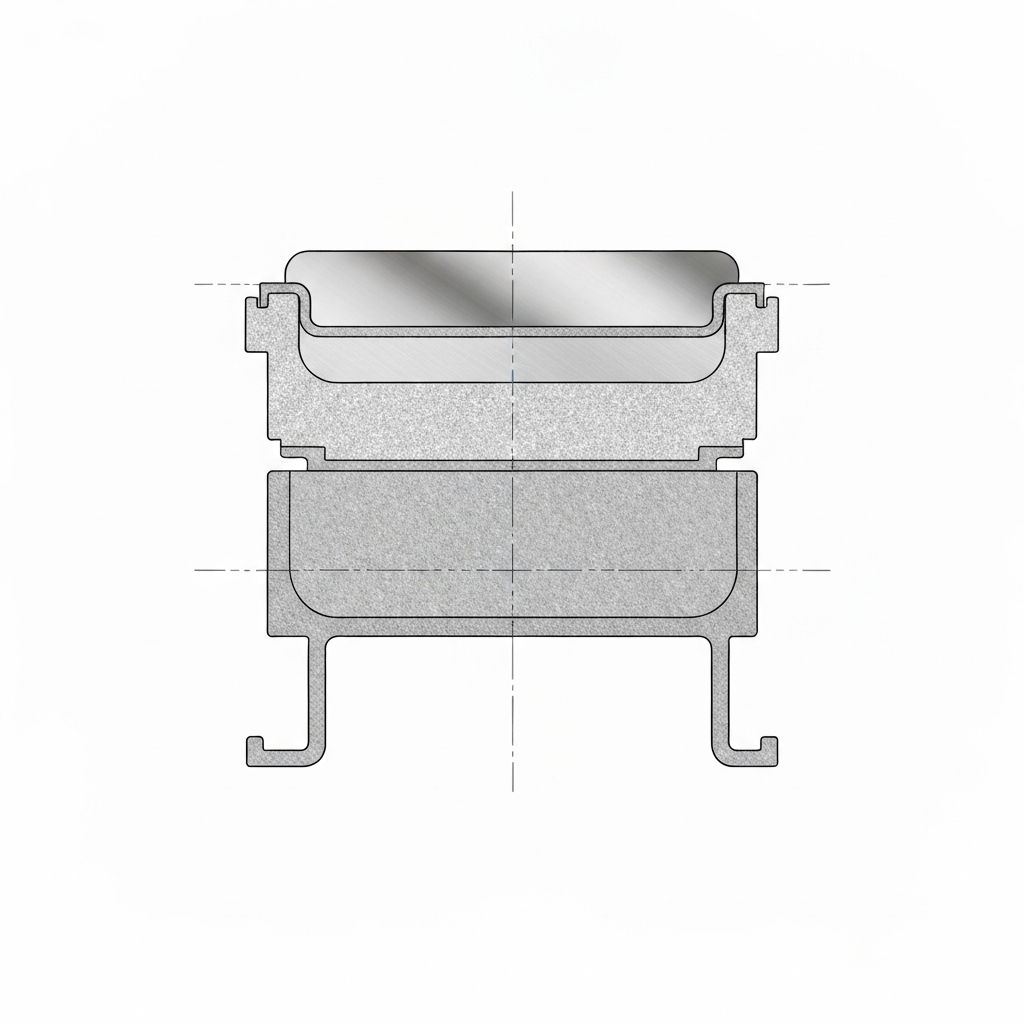
Materials & Craftsmanship in Martha Stewart Cookware
Discover the science and engineering behind professional-grade cookware. From tri-ply construction to PFOA-free non-stick technology.
The Science of Tri-Ply Construction
Tri-ply cookware represents the pinnacle of modern cookware engineering. By bonding three layers of metal together, Martha Stewart Cookware delivers exceptional heat distribution, durability, and cooking performance that professional chefs demand.
What is Tri-Ply Construction?
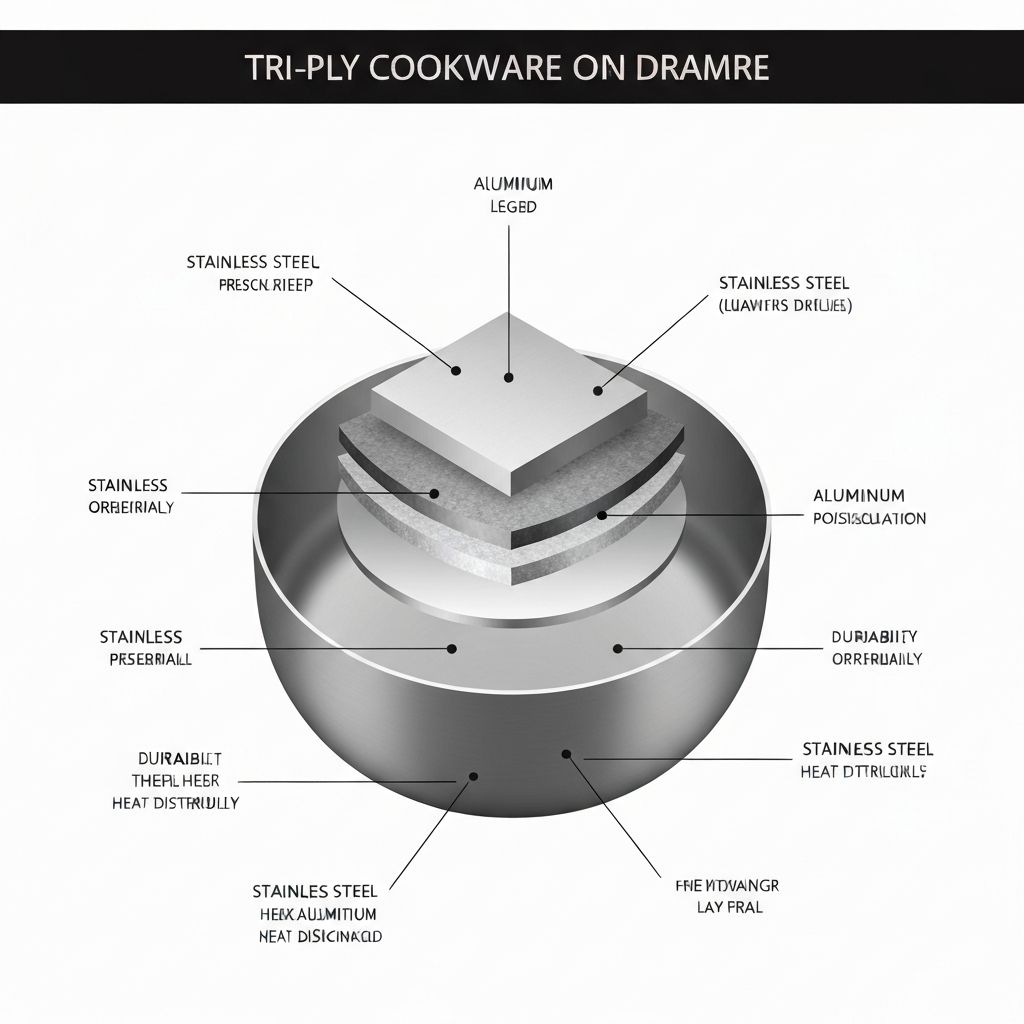
Tri-ply construction involves bonding three distinct layers of metal from the base all the way up the sides of the cookware. This full-clad construction ensures uniform heat distribution across the entire cooking surface, eliminating hot spots that can burn food.
Layer 1: Stainless Steel Interior
Non-reactive 18/10 stainless steel provides a durable, non-porous cooking surface that won't discolor or alter food flavors.
Layer 2: Aluminum Core
The aluminum middle layer conducts heat rapidly and distributes it evenly across the entire pan, ensuring consistent cooking results.
Layer 3: Magnetic Stainless Steel Exterior
The outer layer provides induction compatibility and long-lasting durability that resists warping and denting.
Even Heat Distribution
The aluminum core spreads heat evenly from base to rim, eliminating hot spots and ensuring perfect cooking results every time.
Rapid Heat Response
Aluminum's superior conductivity means the pan heats quickly and responds immediately to temperature adjustments.
Induction Compatible
The magnetic stainless steel exterior works on all cooktops including induction, gas, electric, and ceramic.
Long-Lasting Durability
The bonded construction prevents warping and separation, ensuring your cookware maintains its performance for years.
Enameled Cast Iron: The Superior Choice
Martha Stewart's enameled cast iron cookware combines the legendary heat retention of traditional cast iron with a smooth, non-reactive enamel coating. Experience the benefits of cast iron without the maintenance hassles.
Why Enamel is Superior to Raw Cast Iron
Traditional cast iron requires regular seasoning and special care to maintain its non-stick surface. Enameled cast iron eliminates these concerns while retaining all the cooking benefits that make cast iron legendary among chefs and home cooks alike.
No Seasoning Required
The enamel coating provides a naturally non-stick surface that's ready to use right out of the box. No need for oil treatments or building up layers of seasoning.
Acid-Resistant Cooking Surface
Unlike raw cast iron which reacts with acidic ingredients, enamel is completely non-reactive. Cook tomato sauces, wine reductions, and citrus dishes without worry.
Easy to Clean and Maintain
The smooth enamel surface wipes clean effortlessly and is dishwasher safe (though hand washing is recommended to preserve the finish).
Beautiful Presentation
Available in stunning colors, enameled cast iron transitions beautifully from stovetop to table, serving as both cookware and serveware.
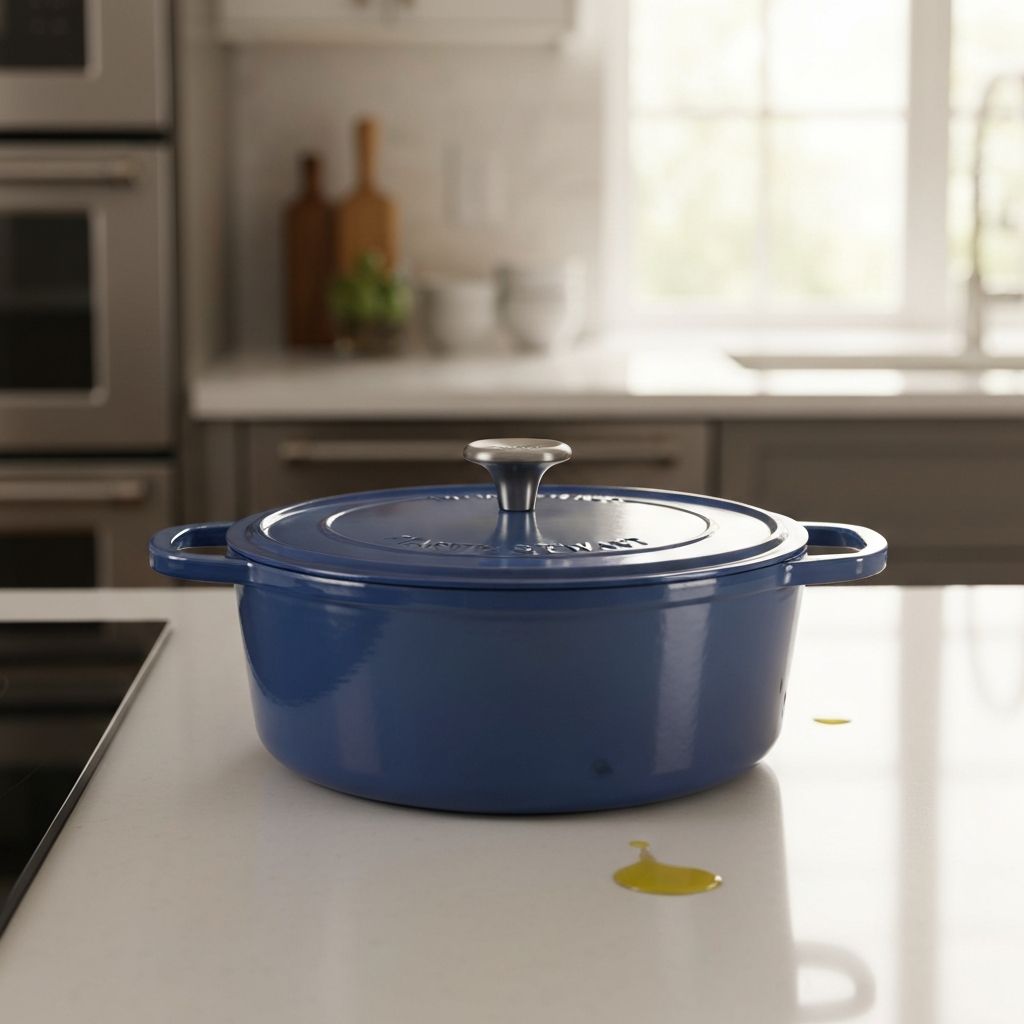
Exceptional Heat Retention
Cast iron's superior heat retention keeps food hot longer and creates perfect conditions for slow-cooking, braising, and baking.
Stovetop to Oven
Safe for use up to 500°F, enameled cast iron seamlessly transitions from stovetop searing to oven finishing.
Moisture Circulation
The heavy lid creates a seal that continuously circulates moisture, keeping meats tender and vegetables perfectly cooked.
Lifetime Investment
With proper care, enameled cast iron cookware will last for decades, becoming a treasured heirloom passed down through generations.
Non-Stick Safety Standards: PFOA-Free Technology
Your family's health and safety are paramount. Martha Stewart Cookware uses only the safest non-stick technologies, free from harmful chemicals like PFOA, PFOS, lead, and cadmium. Learn about the advanced ceramic and non-stick coatings that make healthy cooking easier than ever.
Is Martha Stewart Cookware Non-Toxic?
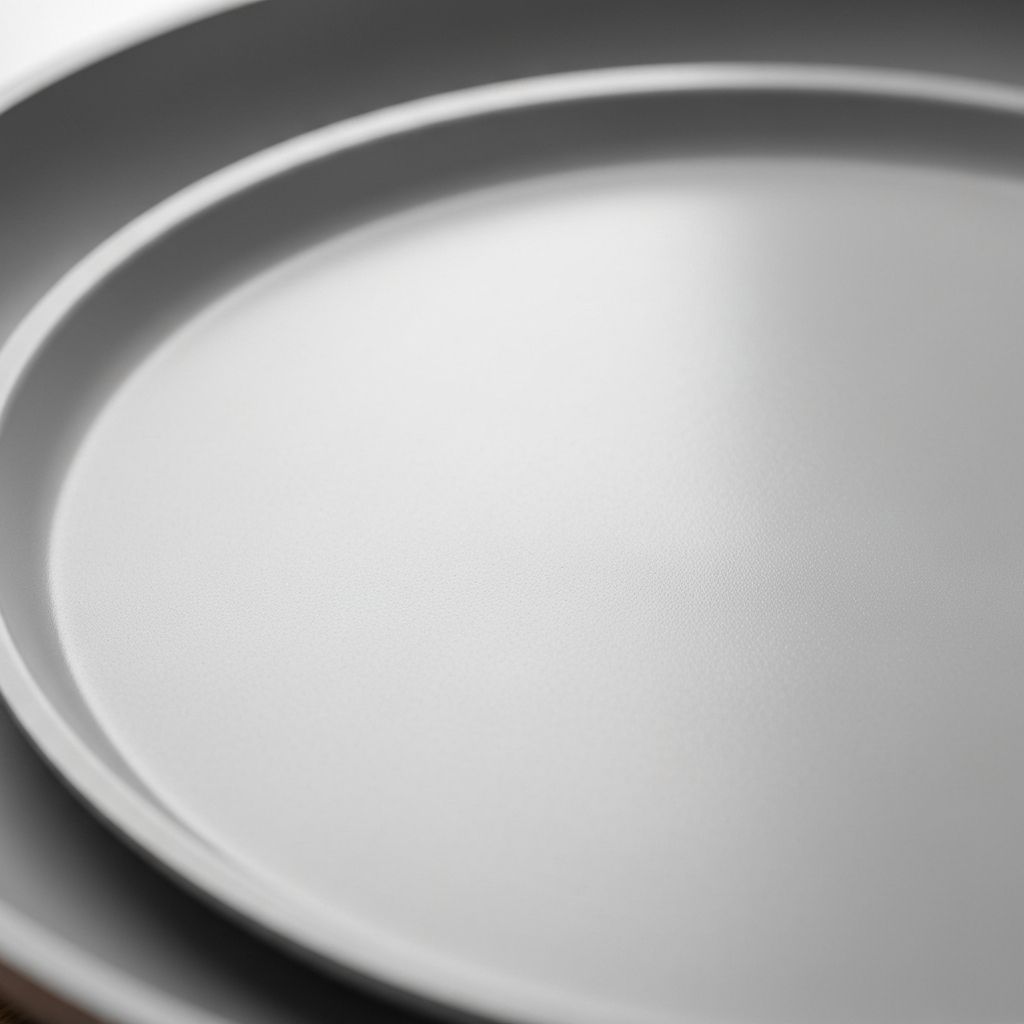
Yes. Martha Stewart Cookware adheres to the strictest safety standards in the industry. All non-stick cookware collections are manufactured without PFOA (perfluorooctanoic acid), PFOS (perfluorooctane sulfonate), lead, or cadmium. The ceramic and advanced non-stick coatings are rigorously tested to ensure they meet FDA food safety requirements.
What is PFOA and Why Should You Avoid It?
PFOA is a synthetic chemical previously used in the production of non-stick coatings. Studies have linked PFOA exposure to various health concerns. Martha Stewart Cookware has completely eliminated PFOA from manufacturing processes, using safer alternative technologies that deliver excellent non-stick performance without the health risks.
Ceramic Coating Safety: A Natural Alternative
Made from Natural Materials
Ceramic non-stick coatings are derived from sand and natural minerals, not synthetic chemicals. This sol-gel technology creates a naturally slick surface that releases food easily without the use of petroleum-based compounds.
- No synthetic chemicals or polymers
- Inert surface won't leach into food
- Environmentally friendly manufacturing
Safe for High-Heat Cooking
Ceramic coatings can withstand higher temperatures than traditional non-stick surfaces without breaking down or releasing fumes. Martha Stewart's ceramic cookware is oven-safe up to 500°F, giving you versatility and peace of mind.
- No toxic fumes at high temperatures
- Safe for all cooking methods
- Scratch-resistant durable surface
PFOA-Free Certified
All coatings tested and certified free from PFOA and PFOS
FDA Compliant
Meets all FDA requirements for food contact surfaces
Lead & Cadmium Free
No heavy metals in any coatings or materials
Family Safe
Safe for cooking for children, pregnant women, and all family members
Safe Cooking Practices for Non-Stick Cookware
Use Medium Heat
Non-stick coatings perform best at medium heat. High heat is rarely necessary and can shorten the lifespan of the coating.
Use Wooden or Silicone Utensils
Avoid metal utensils that can scratch the surface. Soft utensils preserve the non-stick coating for years of use.
Hand Wash When Possible
While dishwasher safe, hand washing with mild soap extends the life and performance of non-stick cookware.
Materials Comparison Guide
Understanding the properties of different cookware materials helps you choose the right tools for your cooking style and needs.
Best For:
Searing, browning, deglazing, and everyday cooking tasks
Heat Distribution:
Excellent - Aluminum core ensures even heating
Heat Retention:
Good - Maintains temperature well
Reactivity:
Non-reactive - Safe for all foods including acidic ingredients
Maintenance:
Easy - Dishwasher safe, can use metal utensils
Induction Compatible:
Yes
Best For:
Slow cooking, braising, baking, and serving
Heat Distribution:
Moderate - Takes time to heat but distributes evenly
Heat Retention:
Excellent - Keeps food hot for extended periods
Reactivity:
Non-reactive - Enamel coating is acid-resistant
Maintenance:
Easy - No seasoning required, hand wash recommended
Induction Compatible:
Yes
Best For:
Low-fat cooking, eggs, fish, and delicate foods
Heat Distribution:
Good - Ceramic coating provides even heating
Heat Retention:
Moderate - Quick to heat and cool
Reactivity:
Non-reactive - Safe for all ingredients
Maintenance:
Easy - Use soft utensils, hand wash preferred
Induction Compatible:
Varies by model